
Why Belize Is Central Americas Hidden Gem
Belize is the rare place where a morning can start on a quiet Caribbean caye and end beside a jungle river under a sky full of stars. It sits between Mexico, Guatemala, and the Caribbean Sea, yet it often gets less attention than its neighbors. That is part of its appeal.
Travelers who look past the usual Central America routes find a country with reef-fringed islands, Maya ruins, rainforest, caves, wildlife, and a warm mix of cultures. It is compact enough to explore in one trip, but layered enough to keep calling people back.
Belize feels familiar in some ways. English is the official language, the U.S. dollar is widely accepted in tourist areas, and many trips are easy to arrange. At the same time, it feels deeply distinct. Creole, Maya, Garifuna, Mestizo, East Indian, Mennonite, and other communities have shaped the food, music, language, and daily life.
That mix is why Belize stands out. It offers Caribbean ease, Central American nature, and a strong local identity in one small country.
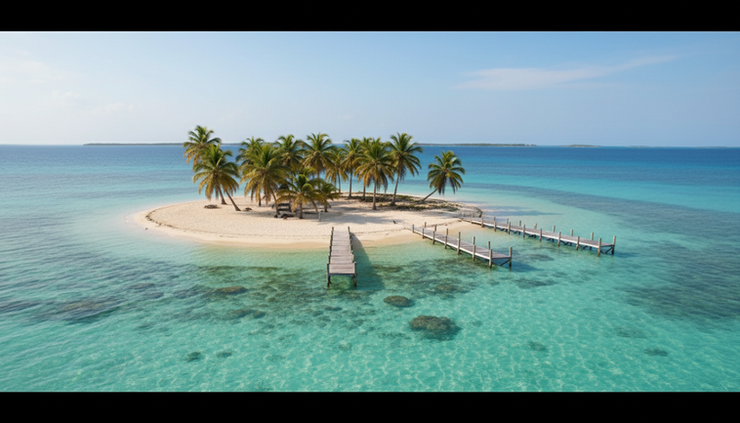
Belize gives you the Caribbean without losing Central America
Belize has a coastline that feels unmistakably Caribbean. The water shifts from pale blue to deep teal. Small boats move between cayes. Beach bars serve grilled fish, rice and beans, and cold drinks. On islands like Caye Caulker and Ambergris Caye, the pace slows without feeling staged.
Caye Caulker is known for its relaxed mood. Golf carts and bicycles replace heavy traffic in many areas. People linger over coffee, swim off docks, and head out for snorkeling trips. Ambergris Caye, home to San Pedro, has more restaurants, hotels, and nightlife, but it still keeps a strong island feel.
The coast is not the whole story. That is where Belize differs from many Caribbean destinations. A few hours inland, the scenery changes. Roads pass citrus groves, small villages, low mountains, and forest. Rivers cut through limestone. Caves open into ancient ceremonial spaces. Maya sites rise from the jungle.
This combination makes travel feel varied without long, difficult transfers. A single itinerary can include:
Two or three days on the cayes
Snorkeling, swimming, kayaking, seafood, and slow island mornings.
A few days inland near San Ignacio
Maya ruins, cave tours, river tubing, and forest lodges.
Time in the south around Hopkins or Punta Gorda
Garifuna culture, beaches, waterfalls, and access to less-crowded nature areas.
That range is one of the main reasons Belize earns its hidden-gem reputation. It is not only a beach trip, ruins trip, food trip, or nature trip. It can be all of those without feeling rushed.
The country’s size helps. Belize is small compared with many destinations, so travelers do not need to choose between the sea and the jungle. The barrier between different kinds of experiences feels thin. One day might mean swimming with rays in shallow water. The next might mean climbing stone steps at Xunantunich and looking across the treetops toward Guatemala.
The reef is one of Belize’s great natural treasures
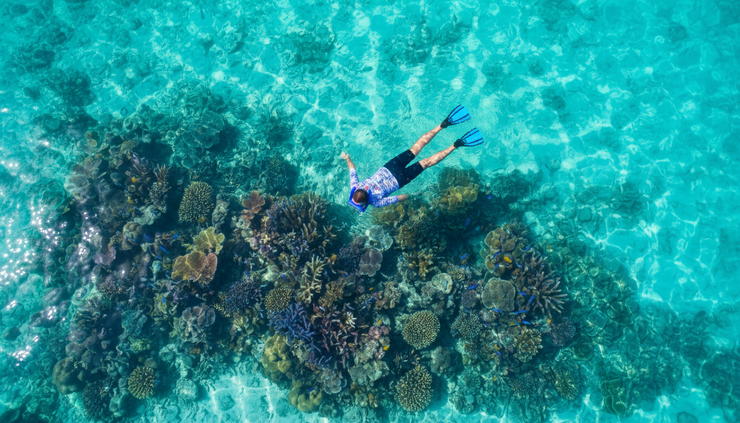
Belize is home to a long stretch of the Mesoamerican Barrier Reef system, one of the largest reef systems in the world. For many visitors, this is the moment the country stops being an idea and becomes unforgettable.
The reef protects much of Belize’s coastline and creates calm, clear areas for snorkeling and diving. Even people who do not dive can see a lot from the surface. In the right spots, snorkelers may see coral formations, sea fans, rays, nurse sharks, turtles, and schools of tropical fish.
Hol Chan Marine Reserve and Shark Ray Alley, near Ambergris Caye and Caye Caulker, are among the best-known marine areas. They are popular for a reason. The water is accessible, guides are experienced, and marine life often appears close enough for first-time snorkelers to feel fully immersed.
The Great Blue Hole draws divers from around the world. Its near-perfect circular shape and deep blue color make it one of Belize’s most recognizable sights. It is not the right dive for everyone, especially beginners, but it has given Belize a global reputation among divers.
What makes the reef special is not only its beauty. It shapes everyday life. Fishing, tourism, coastal protection, and local food traditions all connect to the sea. Conservation is part of the conversation, too. Visitors see signs about reef-safe practices, protected areas, and responsible guiding. The health of the reef matters to communities as much as it matters to travelers.
A reef trip in Belize also has a different feeling from a large resort excursion. Boats are often smaller. Guides may know the water from childhood. Lunch might be simple and perfect, grilled fish, rice, beans, tortillas, and fruit eaten near the shore. The experience feels close to the place, not separate from it.
For the best experience, choose licensed guides, follow local rules, and avoid touching coral or marine life. Coral is living and fragile. A careless fin kick can do real damage. Responsible travel here is not complicated, but it does require attention.
Inland Belize adds ruins, caves, rainforest, and wildlife
The coast may get the postcards, but inland Belize gives the country its depth. Travel west toward the Cayo District and the mood changes. The air feels greener. Roads curve past farms and forest. Lodges sit near rivers. Birds call at sunrise.
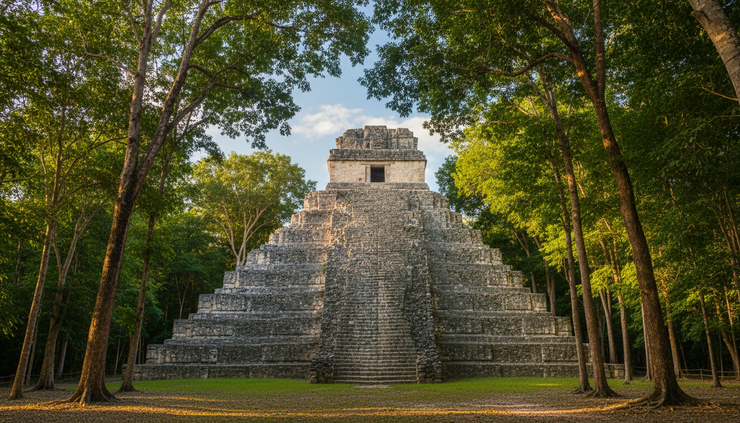
San Ignacio is a popular base for exploring this side of Belize. It has guesthouses, restaurants, tour operators, markets, and easy access to major sites. From here, travelers often visit Xunantunich, a Maya site reached by a small hand-cranked ferry across the Mopan River. The main pyramid, El Castillo, offers broad views over forest and farmland.
Caracol is another major Maya site, set deeper in the Chiquibul Forest area. It takes more effort to reach, but that is part of the draw. The scale of the ruins, the forest setting, and the drive through remote terrain make it one of Belize’s most rewarding archaeological experiences.
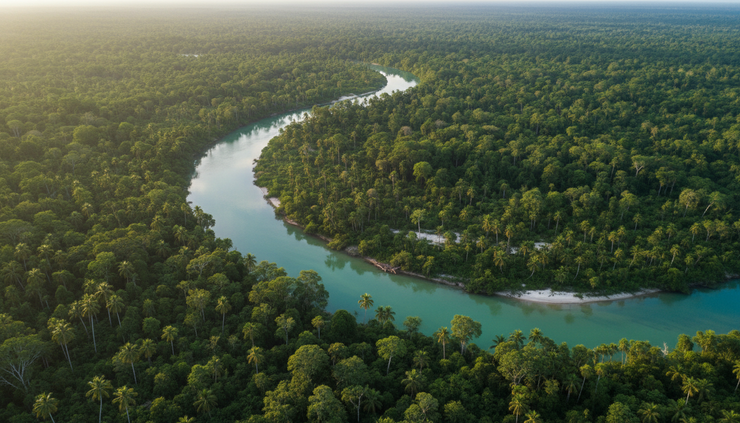
Lamanai, in northern Belize, is often reached by boat along the New River. That journey is part of the experience. Visitors may see birds, crocodiles, and riverbank vegetation before reaching temples tucked into the forest. Altun Ha, closer to Belize City, is easier to fit into a short trip and still gives a strong introduction to Maya history.
Belize’s caves add another layer. The country’s limestone landscape holds cave systems that were important to the ancient Maya. Some experiences are casual, like tubing through cave passages. Others are more demanding and should only be done with trained guides. Actun Tunichil Muknal, often called ATM Cave, is one of the most famous. It combines hiking, swimming, archaeology, and respect for a sacred space.
The rainforest areas are rich with wildlife, though sightings vary. Belize is home to howler monkeys, toucans, tapirs, crocodiles, manatees, and many bird species. Jaguars live in the country too, though they are rarely seen by casual visitors. Cockscomb Basin Wildlife Sanctuary is known for its role in jaguar conservation and for its hiking trails, waterfalls, and birding.
This inland side of Belize changes the trip from pretty to memorable. It adds texture. Beach time becomes sweeter after muddy shoes, temple steps, and river swims. The jungle, caves, and ruins remind visitors that Belize is not only a place to relax. It is a place to learn.
Belize’s culture is as memorable as its scenery
Belize’s cultural mix is one of its greatest strengths. It does not feel like a country built for visitors first. It feels lived in, layered, and personal.
In coastal and urban areas, Kriol language and culture play a major role. Belizean Kriol is widely spoken, and its rhythm gives daily conversation a local sound even though English is the official language. Food often reflects this blend, with rice and beans, stew chicken, fry jacks, meat pies, coconut flavors, and fresh seafood appearing on menus across the country.
Garifuna culture is especially important along the coast, including places like Dangriga, Hopkins, and Punta Gorda. Garifuna music, drumming, dance, language, and food give southern Belize a distinct identity. Dishes like hudut, a fish and coconut stew often served with mashed plantains, connect food to heritage in a direct, flavorful way.
Maya communities remain part of Belize’s present, not only its past. In the south and west, Maya families and villages continue traditions tied to farming, language, food, and craft. Visiting Maya sites means more when that living connection is understood.
Mestizo culture, with roots tied to Mexico, Guatemala, and Spanish-speaking communities, is also central to Belizean life. In northern and western districts, it shapes food, festivals, family traditions, and local markets. East Indian, Chinese, Mennonite, and other communities add still more detail to the country’s social fabric.
The result is a place where a short drive can change the food, language, music, and architecture. That does not make Belize confusing. It makes it rich.
For travelers, the best way to experience this is simple:
Eat at small local restaurants, not only waterfront spots.
Visit markets when possible.
Learn a few local phrases and listen more than you speak.
Book community-based tours when they fit the trip.
Treat cultural experiences as real life, not performances.
Belize is friendly, but it is not a theme park. That distinction matters. The warmth here feels genuine when visitors move with respect.
Belize is easy to enjoy, but it still feels unpolished in the best way
Part of Belize’s charm is that it is accessible without feeling overly packaged. Many travelers find it easier to navigate than expected. English helps. Distances are manageable. Domestic flights, water taxis, shuttles, buses, and rental cars make different travel styles possible.
At the same time, Belize is not a place where everything feels glossy. Roads can be rough in some areas. Island life runs on its own rhythm. Rain may change plans. Service can be relaxed. A boat schedule might matter more than a watch.
That is not a flaw. It is part of why Belize still feels real.
The best trips allow space. Packing too many stops into a short visit can turn a beautiful country into a checklist. Belize rewards a slower pace, especially because many of its best moments are simple:
Watching pelicans skim the water near a dock.
Hearing howler monkeys before sunrise.
Eating breakfast with fresh tortillas.
Floating through a cave in cool river water.
Sitting under palm trees after a reef trip.
Talking with a guide who knows the area by memory.
Belize can fit many budgets, though costs vary by season, island, tour type, and lodging style. The cayes often cost more than inland towns. Remote lodges and private tours can raise a trip price, while guesthouses, local buses, and casual food spots can keep things more affordable. Travelers from the United States often appreciate that Belize is relatively close, with routes through major hubs.
The dry season, roughly from late fall through spring, is the most popular time to visit. The wetter months can bring lower crowds and greener scenery, though storms and rain need to be considered. Coastal and inland weather can differ, so flexibility helps.
Safety, like anywhere, calls for common sense. Use licensed guides, arrange transport through trusted providers, avoid isolated areas at night, and ask local hosts for current advice. Belize is welcoming, but smart planning still matters.
The real reason Belize stands out
Belize is not hidden because no one knows it exists. Divers know it. Birders know it. Backpackers, honeymooners, families, and expats have all found parts of it. Yet it still feels underappreciated compared with bigger-name destinations nearby.
That may be the best thing about it.
Belize does not need grand scale to impress. It wins through contrast. The reef and rainforest sit close together. Ancient sites and living cultures share the same roads. Islands feel relaxed without being empty. Inland towns feel practical, welcoming, and full of character.
It is a country where the best memories often come from movement between places. Boat to dock. Ferry to ruins. Road to river. Trail to waterfall. Table to conversation.
For a first trip, a simple route works well: start with the cayes, continue to San Ignacio or another inland base, then add southern Belize if time allows. That mix gives a clear sense of why the country stays with people long after they leave.
Belize is Central America’s hidden gem because it offers more than expected in less space than expected. It is beautiful, yes, but beauty alone is easy to find. Belize adds history, culture, wildlife, warmth, and a rare feeling of discovery. Go for the reef if that is what pulls you in. Stay curious enough to find the rest.


Comments